Brexit and its Impact on the Wine Trade: Views from Two Independent Wine Retailers

Nick Fisher • 25 maggio 2026

Ten years ago, the UK made the monumental decision to leave the European Union, not knowing what was in store or what Brexit actually meant!


Fast forward to the present day and I was chatting with Mihaela Cojocaru from WINExcel, and she asked how Brexit had impacted the UK wine trade.


That provoked my curiosity because, anecdotally, over the last 10 years I had noticed that the price of wine had increased, and not just for my beloved Burgundy, but for all wine, it seemed. I decided, rather than rely on subjectivity, I would ask two local independents for their views. I already knew Andy Langshaw at Harrogate Wines, so I made a few enquiries and entered into a discussion with John Hattam from H C Wines (www.hcwines.co.uk) in York.
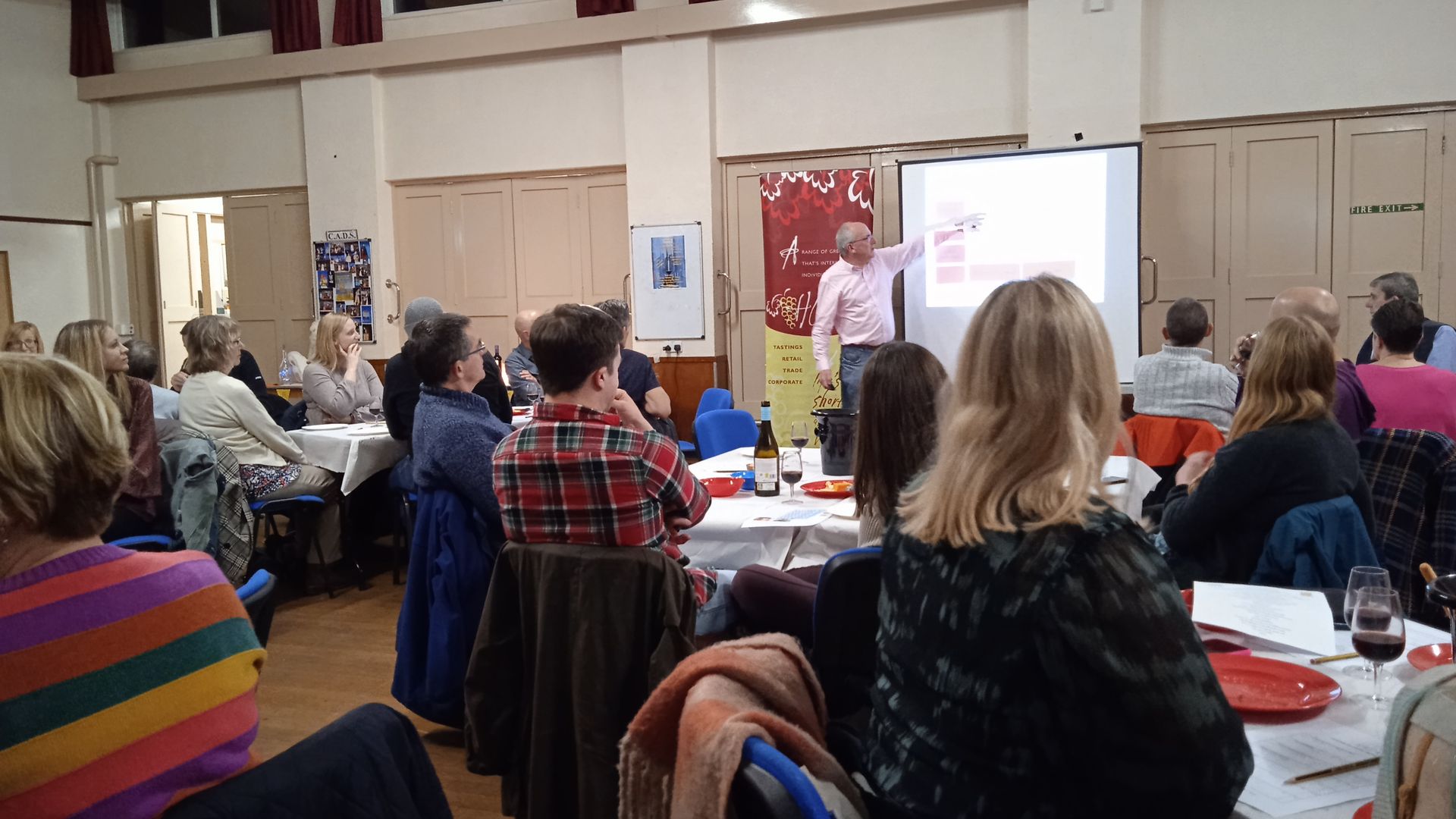

After the vote to leave Andy quickly took the view that he did not want to take any risks with Brexit and moved away from importing wine to solely sourcing his wines from importers, merchants, and distributors. John, however, didn’t and still imports wines today and has plenty to say about his experiences.


John said, “When people ask me what the biggest change to the wine trade has been in recent years, they usually expect me to say climate change, shifting consumer tastes, or the rise of alcohol-free ‘wine.’ But honestly? It’s Brexit. And not in a grand, ideological, ‘sovereignty’ sense — more in a practical, day-to-day, sense.


Before Brexit, you found a winemaker you loved, placed an order, a lorry trundled across the Channel, and the wine arrived. Paperwork existed, yes, but it was largely invisible — like plumbing. You didn’t think about it unless it went wrong, which it rarely did. Now, importing wine feels less like plumbing and more like amateur dentistry.”


Paperwork: the new terroir 

One of the reasons Andy stepped away from importing wine was the paperwork he anticipated. He commented that he’s a wine merchant and it was hard enough doing his VAT returns, end of year accounts and keeping on top of existing paperwork; the last thing he wanted to do was take on anything new.


Obviously, because John is still importing wine, he’s experiencing the brave new world of paperwork. He maligns, “Oh, the forms: EADs (Export Accompanying Document) (often linked with an MRD (Movement Reference Number)), customs declarations, commodity codes, proof of origin, excise movements, duty deferment accounts. Each individual piece makes a sort of sense in isolation, but collectively they form a Kafkaesque tasting note: ‘Aromas of biro ink, with a long, bureaucratic finish.’” 


For large importers with in-house compliance teams, this is a nuisance; for small merchants, it can be existential. Every extra form takes time away from selling wine, serving customers, and visiting vineyards. Many small European producers no longer think the UK market is worth the hassle; it is far easier to sell at home or within the EU.


Costs creep in… everywhere 

John highlights there has been increases in costs over the years: not one dramatic hit, but a steady build-up of surcharges. Things like customs agents, hauliers, warehouses, couriers, and even banks now add costs because the process is more complex. None of these costs is huge on its own, but wine margins are thin. For small importers, every extra £50 or £100 matters.


Importers and distributors have absorbed these incremental costs into their unit prices, Andy has noticed, too. The problem with that is, it is difficult to know whether those increases can be directly attributed to specific Brexit costs, or not. But over the years that there has been a noticeable uplift in prices on lots of EU wine compared to non-EU.


Delays: the enemy of wine

Wine needs stability, not hot docks and missing reference numbers,” John states. “Since Brexit, delays have become routine: one typo on a customs form can stall a shipment, and one missing stamp can mean days or weeks of chasing emails across borders. For merchants, that means stress. Stock planning becomes guesswork, customers ask where their favourite wine has gone, and cash flow tightens as money is tied up in stock that cannot yet be sold.”


Andy hasn’t specifically had issues with delays, as he deals with organisations where the stock is already in the country. However, he has noticed that sometimes there is vastly more stock available of specific wines, or none at all for others. He presumes, the importer has bought as much stock as possible because they do have the capacity to store the wine. 


The irony: we still love European wine 

John and Andy both agree that Britain still loves European wine. We still drink French, Italian, Spanish, Portuguese, German, Austrian, and more. Brexit changed not demand but access. It was meant to streamline regulation; in practice, it has created more friction. The UK still largely mirrors EU wine rules but now must prove compliance from the outside. We have gained paperwork without losing complexity.


Small businesses feel it most. 

Large supermarkets have absorbed many of these changes because their back-office teams can manage the extra administrative burden. Independent merchants cannot usually hire additional staff, so the work simply falls on one or two individuals.


Supermarkets can spread added costs across a wider product range, making it easier to hold prices steady in the short term and stay competitive. They have greater bargaining power, which helps them share, reduce, or absorb some costs.


Small wine merchants rely on personality, relationships, and discovery, sourcing distinctive, lesser-known wines because they believe in them, not because they will sell 10,000 cases.

Brexit has pushed the market further towards scale, and consumers lose out, even if they do not always notice it: fewer unusual bottles, fewer adventurous imports, and fewer wines with a story behind them.


So… any upsides? 

It is not all doom and gloom as some merchants have adapted well. They have consolidated suppliers, others import via EU hubs, and some focus more on non-EU wines or buy from larger UK importers instead of importing directly. English wine has benefited, although it remains niche.


I was thinking about starting to dip my toe back into importing wine,” said Andy. “Given things have settled down and there is less uncertainty on prices. There is a lot of sound advice out there and people know what they are doing now. But given the new global issues, I think I’ll wait a little longer.” 


A lingering aftertaste 

John sums it up by saying, “The biggest negative effect of Brexit on the wine trade is not ideological, or even strictly financial. It is friction, complexity, and the slow loss of spontaneity and joy in trading wine across borders. Wine people are resilient. We deal with fire, mildew, drought, and we will deal with this too, but let us not pretend it has been painless.”


We will keep importing, drinking, and telling stories about remarkable winemakers. But Brexit has undeniably made it harder, slower, and more expensive to do something Britain has long loved: opening bottles from our nearest neighbours and enjoying them.”


One thing is for sure that both John and Andy have weathered the storm and are still trading. Which goes to show that we are still a nation of shopkeepers! 


Photo & info credit: Nick Fisher


Thank you note:

What started as a simple conversation about a possible article on Brexit unexpectedly turned into something far more meaningful. Your article was marvelously written and incredibly insightful, especially through the voices of the two importers you interviewed.


Hearing Andy and John's firsthand experiences and the real consequences Brexit has had on their businesses gave the piece a depth and authenticity that statistics and headlines alone could never capture.


Thank you, Nick, for approaching the subject with such thoughtfulness and humanity. The article became far more than a discussion about politics — it was a genuine deep dive into the people and realities behind the changes.



________________

Salute e alla prossima!
E non scordarti: Sii curioso e assaggia sempre qualcosa di nuovo 🍷


👋🏻 Ciao, sono Mihaela Cojocaru DipWSET


Autrice del libro "Metodo WINExcel" - consigli pratici per esportare i tuoi vini con successo" 


Ideatrice dell'Associazione dei venditori di vino WINExcel Association www.winexcel.net


Export Coach 1:1  - WSET Educator  -  Sommelier AIS  - Docente export & digital marketing - Formazione finanziata


Ascolta il podcast SoMe Wine e scopri interviste esclusive e seguimi su Facebook - Instagram - LinkedIn - Youtube - Email


Autore: Mihaela Cojocaru 24 maggio 2026
WINExcel Connections racconta come la rete di professionisti del vino favorisca incontri e collaborazioni concrete. La storia di Claudia ed Emanuela mostra il valore delle relazioni nel settore vinicolo.
Autore: Mihaela Cojocaru 20 maggio 2026
Come le cantine possono vendere vino direttamente ai consumatori in Europa Il settore vinicolo sta cambiando rapidamente e la vendita diretta al consumatore sta diventando una grande opportunità per le cantine europee. Grazie agli shop online, i produttori possono creare un rapporto diretto con gli appassionati di vino, anche oltre i confini nazionali. Tuttavia, spedizioni internazionali, IVA, normative e logistica rendono spesso il processo complesso. Nel YouTube Live parleremo di questi temi con Thomas di ShipWineEU , realtà specializzata nelle spedizioni dirette di vino in Europa. Scopriremo perché il modello direct-to-consumer (DTC) sta crescendo, quali opportunità offre alle cantine e come superare le sfide legate alla vendita internazionale. Un appuntamento interessante per produttori, professionisti del vino e per chi vuole capire il futuro dell’e-commerce nel settore vinicolo. Per vedere la traduzione della conversazione, entra su Youtube e attiva i sottotitoli: clicca su CC , poi su Impostazioni > Sottotitoli > Traduzione automatica e seleziona la lingua desiderata, ad esempio l’italiano. Se hai voglia di rimanere aggiornato segui il canale Youtube e attiva le notifiche! How wineries can sell wine directly to consumers across Europe The wine industry is changing rapidly, and direct-to-consumer sales are becoming a major opportunity for wineries across Europe. Thanks to online shops, producers can build direct relationships with wine lovers, even beyond national borders. However, international shipping, VAT, regulations, and logistics often make the process complex. In this YouTube Live, we will discuss these topics with Thomas from ShipWineEU , a company specialized in direct wine shipping across Europe. We will explore why the direct-to-consumer (DTC) model is growing, the opportunities it offers wineries, and how producers can overcome the challenges of international sales. A valuable conversation for wine producers, industry professionals, and anyone interested in the future of wine e-commerce. To view the translated conversation, enable subtitles on YouTube: click CC , then go to Settings > Subtitles > Auto-translate , and select your preferred language, such as Italian. If you want to stay updated, follow the YouTube channel and turn on notifications! Photo & content: Thomas Winther from Ship.Wine.Eu
Piatti a base vegetale abbinati a calici di vino, con ingredienti naturali e radici orticole protago
Autore: Mihaela Cojocaru 20 maggio 2026
Scopri come la cucina vegetale a base di radici si unisce al vino in abbinamenti innovativi che valorizzano gusto, sostenibilità e creatività gastronomica.
Autore: Mihaela Cojocaru 18 maggio 2026
In a wine world increasingly shaped by digital communication and emerging technologies, few voices manage to balance expertise and innovation as naturally as Julia Vineboo .  With over 318,000 followers on Instagram, the Polish-Ukrainian wine influencer has built a reputation for combining solid wine education with forward-thinking storytelling, using artificial intelligence as a creative tool rather than a shortcut. A WSET Level 2 certified wine professional currently preparing for Level 3, and a Spanish Wine Scholar, Julia represents a new generation of wine communicators for whom education, credibility, and experimentation go hand in hand. Her back-to-back nominations for the International VinoInfluencers Award in the Wine Marketing category in Spain, recognition among the 17 winners of the 2025 Women in Wine & Spirits Awards in the Top Social Media category, and participation in the International Global Wine Marketing and Media Forum in Georgia reflect a career that extends well beyond social media metrics.
Autore: Mihaela Cojocaru 16 maggio 2026
C’è un punto, lungo l’ultimo tratto della Appia Antica a Brindisi, in cui il paesaggio smette di essere solo sfondo e diventa racconto. È tra questi vigneti che domenica 17 maggio, dalle 10:00 alle 21:00, prende vita “Vini e Vinili” alle Tenute Lu Spada : un evento che non si limita a unire vino e musica, ma li fa dialogare. Non è una semplice giornata in cantina. È un’idea di territorio che si apre, si lascia attraversare, si ascolta. I filari di Negroamaro, Susumaniello e Malvasia Nera diventano parte di una scena più ampia, dove il vino biologico non è solo prodotto agricolo, ma espressione di un paesaggio e di una scelta culturale precisa: quella della sostenibilità e dell’identità.
Autore: Mihaela Cojocaru 14 maggio 2026
Dal corso di Wine Manager a un progetto che unisce arte, vino e maternità: il debutto di “Cloe” a Gallipoli C’è un aspetto che rende questo progetto ancora più significativo: conosco Elisa Rollo dal percorso formativo del corso di Wine Manager, dove si è sempre distinta per la capacità di mettersi in gioco, sperimentare e trasformare le idee in visioni concrete.  Vederla oggi dare forma a un’iniziativa così originale è motivo di orgoglio. Come mamma, inoltre, ha saputo intrecciare in modo autentico la propria passione professionale con la dedizione alla figlia, unendo creativamente famiglia, doveri e piaceri in un progetto che racconta sensibilità, coraggio e innovazione.
Autore: Mihaela Cojocaru 21 gennaio 2026
Nel panorama contemporaneo del vino, fatto di etichette che raccontano territori, storie e visioni, emerge un approccio capace di trasformare ogni calice in un gesto di stile: quello di Stefania, fondatrice di I Sapori DiVini . La sua realtà nasce da una passione autentica e dall’idea che il vino non sia semplicemente un prodotto da scegliere, ma un’esperienza da vivere, da condividere, da ricordare. Attraverso un servizio di wine concierge su misura, selezioni personalizzate, degustazioni esclusive, e una e-commerce boutique, Stefania guida i clienti in un percorso intimo e curato, dove ogni bottiglia diventa l’espressione di un gusto, di un’occasione, di una storia. Un approccio sartoriale che unisce competenza, ascolto e cultura gastronomica, elevando il vino a rituale raffinato.
Autore: Mihaela Cojocaru 17 dicembre 2025
Venerdì 5 dicembre il Forum Eventi si è trasformato in un vero laboratorio sensoriale. Non una semplice degustazione, ma un’esperienza immersiva capace di mettere alla prova palato, memoria e convinzioni: il Red Blind Game – il grande rosso italiano alla cieca ha condotto i partecipanti in un viaggio lungo la Penisola, da Nord a Sud, calice dopo calice. Quando abbiamo iniziato a pensare a cosa proporre a Sabrina e Francesco Di Gregorio l’idea era chiara fin dall’inizio: volevamo qualcosa di nuovo , leggero , capace di unire contenuto e divertimento. Non una degustazione tecnica fine a sé stessa, ma un’esperienza che lasciasse il segno. Con Paola Restelli ci siamo chieste come rendere l’assaggio davvero coinvolgente, mettendo a confronto due approcci diversi ma complementari alla degustazione, AIS e WSET , senza appesantire il racconto o trasformare la serata in una lezione. L’obiettivo era semplice e allo stesso tempo ambizioso: fare in modo che ognuno tornasse a casa con qualcosa in più. Un’informazione nuova, una consapevolezza diversa, o magari anche solo una certezza messa in discussione. L’idea ha preso forma quando Paola ha suggerito di trasformare la degustazione in un gioco , un format che aveva già collaudato con successo. Da lì è nato il Red Blind Game , un modo diverso di degustare, confrontarsi e imparare, lasciando il vino libero di esprimersi e i partecipanti liberi di divertirsi, senza etichette e senza pregiudizi. La frase di apertura di Paola ha subito creato l’atmosfera giusta: « Vedo una sala piena di sorrisi e avete i calici vuoti… non oso immaginare dopo! » Una promessa mantenuta fino all’ultimo sorso.
Ioana - uno dei suoi eventi
Autore: Mihaela Cojocaru 11 dicembre 2025
C’è un luogo dove il cibo, il vino e le storie si incontrano in un’atmosfera unica e riservata: benvenuti a La Tavola Segreta . Nato dalla passione di Ene Ioana Anca , questo progetto trasforma ogni cena in un’esperienza intima e memorabile, dove un solo tavolo diventa il cuore di conversazioni, emozioni e degustazioni curate nei minimi dettagli. In questo articolo, abbiamo chiesto a Ene Ioana Anca di raccontarci il suo percorso, le sue ispirazioni e i segreti dietro l’organizzazione di cene private esclusive. Dai primi passi nel mondo delle degustazioni alle attenzioni più piccole che fanno la differenza, ecco tutto quello che c’è da sapere per vivere e comprendere il fascino di La Tavola Segreta.
Autore: Mihaela Cojocaru 10 dicembre 2025
C’è chi arriva al vino per curiosità, chi per caso, e poi c’è chi al vino sceglie di dedicare un intero percorso di vita. Immacolata Mauro appartiene a quest’ultima categoria: una professionista che ha costruito il proprio percorso unendo studio rigoroso, esperienza internazionale e una volontà costante di crescere. Dalla formazione come Sommelier AIS al conseguimento del DipWSET , dalle responsabilità di Head Sommelier in un ristorante due stelle Michelin al Master in Food & Beverage , fino ai tre anni trascorsi a Londra , una delle capitali mondiali del gusto: Immacolata ha trasformato ogni tappa del suo percorso in un tassello di un progetto più grande, diventare una voce autorevole e contemporanea nel mondo del vino .